
Subtotal $0.00

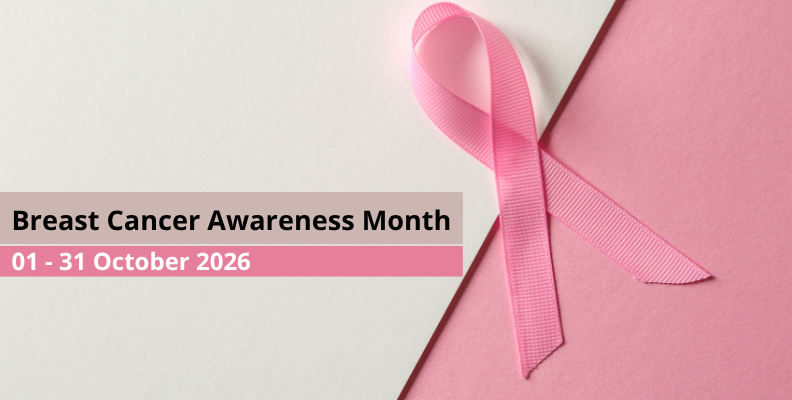



Breast Cancer Awareness Month 2026: Why Screening Matters
October is Breast Cancer Awareness Month, a timely reminder for women across Wellard and the wider community to think about their own health and, where relevant, have a conversation with their GP. At Bertram Family Medical Centre (BFMC), we wanted to share a bit of general information about breast cancer awareness and why these conversations are worth having, even if nothing seems wrong.
What Is Breast Cancer Awareness Month
Breast Cancer Awareness Month is an international campaign held every October, aimed at improving understanding of breast cancer, encouraging open conversations, and supporting women to make informed decisions about their own health in partnership with their GP. Awareness campaigns like this exist because breast health isn’t always something women think to bring up, particularly when there are no obvious symptoms. Pink ribbons and awareness events are a visible reminder each October, but the underlying message is a year-round one: knowing your own body and having a trusted GP to talk to matters.
Why Screening Matters
Breast cancer is one of the most commonly diagnosed cancers in Australian women. Screening decisions are individual, and the right approach depends on a person’s age, family history and personal circumstances. Rather than a one-size-fits-all recommendation, current guidance encourages women to have an informed conversation with their GP about the potential benefits and limitations of screening, so they can make a decision that’s right for them. In Australia, free mammogram screening through BreastScreen WA is generally available to women in a set age range, with your GP able to talk through whether and when it’s relevant for you.
Who Might Consider a Conversation About Screening
Generally, discussions about breast screening become more relevant from around age 40 onwards, or earlier for women with a family history of breast cancer. This isn’t medical advice for any individual situation, it’s simply a starting point for thinking about whether a conversation with your GP could be worthwhile. Your GP can talk through your personal risk factors, including family history and any changes you’ve noticed, and help you decide what, if anything, makes sense for you.
Understanding Risk Factors
A few factors are generally understood to influence the likelihood of breast cancer, including age, family history, and certain genetic and lifestyle factors. None of these factors guarantee an outcome either way, they simply help inform how relevant a screening conversation might be for a particular person. Your GP is best placed to help you understand how these factors apply to your own situation.
Knowing What’s Normal for You
Alongside formal screening programs, general awareness of your own body is worthwhile. This isn’t about following a rigid checklist, but simply noticing if something feels different to usual, a change in shape, skin, or how something feels, and mentioning it to your GP rather than waiting to see if it resolves on its own. Most changes turn out to be nothing serious, but a GP conversation is the simplest way to find out.
What to Expect When You Book
If you’d like to talk to a GP about breast health, booking an appointment at BFMC is straightforward. Your GP will usually start by asking about your general health, family history and any changes you’ve noticed, before discussing whether further conversation, a clinical check, or a referral for screening is appropriate for you.
Frequently Asked Questions
At what age should I start thinking about this?
There’s no single answer, it depends on individual and family risk factors. A conversation with your GP is the best starting point.
Does BFMC offer breast screening?
BFMC’s GPs can discuss breast health and arrange an appropriate referral where relevant, screening mammograms themselves are generally provided through BreastScreen WA.
Do I need a referral?
No referral is needed to book a GP appointment to discuss this, simply book online or call reception.
Is this only relevant if I have symptoms or a lump?
Not necessarily, many women without symptoms still choose to have this conversation with their GP, particularly if they have a family history.
What does BFMC’s billing look like for this kind of appointment?
BFMC offers full bulk billing for all valid Medicare and DVA card holders, reception can talk you through what to expect for your specific visit.
Book Your Visit Today
If Breast Cancer Awareness Month has prompted you to think about your own health, a conversation with your GP is a simple place to start. Book online today, or call reception to arrange a time.
Comments are closed